

Unveiling the rich history of casinos through the ages
Origins of Gambling
The history of casinos can be traced back to ancient civilizations, where gambling was already a popular pastime. Evidence from archaeological sites indicates that games of chance were played as early as 3000 BC in China, where the earliest forms of dice were discovered. These primitive games laid the groundwork for the gambling culture that would evolve over the centuries, making it a significant aspect of societal interactions and entertainment. For an in-depth exploration of this theme, you can visit https://www.pottingerindex.com/.
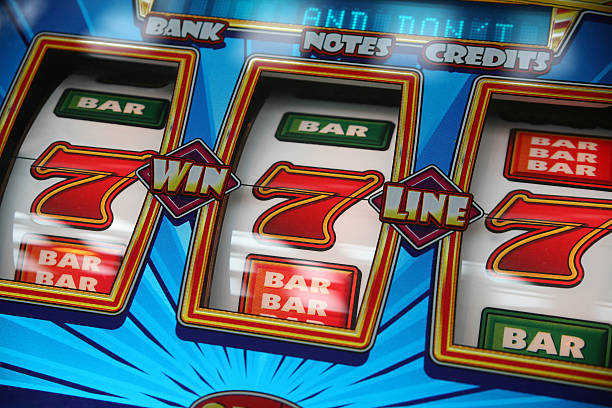
In ancient Rome, gambling was integral to social life, with citizens participating in various games and bets during public events. The Roman Empire saw the establishment of taverns where patrons could gamble on everything from dice to chariot races, foreshadowing the modern casino experience. This early intertwining of gambling with social gatherings set a precedent for the development of dedicated gambling venues in the future.
The Rise of Formal Casinos
The concept of the casino as we know it began to take shape during the Renaissance in Europe. The first official casino, the Ridotto, was established in Venice in 1638, designed to offer regulated gambling in a controlled environment. This marked a significant evolution in gambling, shifting it from informal settings to structured establishments with rules and oversight.
As the idea of casinos spread, other cities in Europe, such as Paris and Baden-Baden, began to develop their own establishments. These venues not only served as places for gambling but also became social hubs where the elite gathered, enjoying fine dining, entertainment, and the thrill of chance. This combination of luxury and gambling established casinos as a prominent facet of European culture.
Casinos in America
The emergence of casinos in America can be linked to the Gold Rush of the 19th century. Towns sprang up rapidly, and gambling quickly became a key form of entertainment. The first legal casino in the United States opened in New Orleans in the early 1800s, but the establishment of the Las Vegas Strip in the mid-20th century transformed the gambling landscape entirely. Las Vegas quickly became synonymous with extravagant casinos, attracting millions of tourists seeking both gaming and entertainment.
With iconic establishments such as The Bellagio and Caesars Palace, Las Vegas has turned casino gaming into a global phenomenon. The combination of lavish shows, fine dining, and comprehensive gambling options has cemented the city’s reputation as the gambling capital of the world. This evolution reflects broader changes in American society, where casinos have transitioned from merely gambling venues to comprehensive entertainment complexes.
The Digital Transformation
The advent of the internet marked a new era for casinos, giving rise to online gambling platforms. The first online casino launched in 1994, and since then, the industry has grown exponentially. Online casinos now offer players the convenience of playing from their homes, with a vast array of games available at their fingertips. This shift has not only made gambling more accessible but has also introduced innovative gaming experiences that traditional casinos cannot replicate.
As technology continues to advance, the integration of live dealer games and mobile gaming has further enhanced the online casino experience. Players can now enjoy real-time interactions with dealers while accessing their favorite games from their smartphones or tablets. This digital transformation signifies the evolution of casinos, catering to a new generation of players who seek convenience and variety in their gaming experiences.

Exploring the Future of Casinos
As the casino industry continues to evolve, it faces both challenges and opportunities. Regulatory changes, technological advancements, and shifting consumer preferences will shape the landscape in the coming years. The rise of virtual reality and augmented reality gaming may redefine how players experience casinos, merging the digital and physical realms in unprecedented ways.
Furthermore, as online gambling becomes increasingly popular, traditional casinos are adapting by incorporating technology into their operations. Innovations like cashless transactions and personalized gaming experiences are becoming commonplace, ensuring that casinos remain competitive in an ever-changing environment. With the rich history of casinos behind them, the industry is poised for a dynamic future that honors its past while embracing new possibilities.

Leave a Reply