
/** * WP_oEmbed_Controller class, used to provide an oEmbed endpoint. * * @package WordPress * @subpackage Embeds * @since 4.4.0 */ /** * oEmbed API endpoint controller. * * Registers the REST API route and delivers the response data. * The output format (XML or JSON) is handled by the REST API. * * @since 4.4.0 */ #[AllowDynamicProperties] final class WP_oEmbed_Controller { /** * Register the oEmbed REST API route. * * @since 4.4.0 */ public function register_routes() { /** * Filters the maxwidth oEmbed parameter. * * @since 4.4.0 * * @param int $maxwidth Maximum allowed width. Default 600. */ $maxwidth = apply_filters( 'oembed_default_width', 600 ); register_rest_route( 'oembed/1.0', '/embed', array( array( 'methods' => WP_REST_Server::READABLE, 'callback' => array( $this, 'get_item' ), 'permission_callback' => '__return_true', 'args' => array( 'url' => array( 'description' => __( 'The URL of the resource for which to fetch oEmbed data.' ), 'required' => true, 'type' => 'string', 'format' => 'uri', ), 'format' => array( 'default' => 'json', 'sanitize_callback' => 'wp_oembed_ensure_format', ), 'maxwidth' => array( 'default' => $maxwidth, 'sanitize_callback' => 'absint', ), ), ), ) ); register_rest_route( 'oembed/1.0', '/proxy', array( array( 'methods' => WP_REST_Server::READABLE, 'callback' => array( $this, 'get_proxy_item' ), 'permission_callback' => array( $this, 'get_proxy_item_permissions_check' ), 'args' => array( 'url' => array( 'description' => __( 'The URL of the resource for which to fetch oEmbed data.' ), 'required' => true, 'type' => 'string', 'format' => 'uri', ), 'format' => array( 'description' => __( 'The oEmbed format to use.' ), 'type' => 'string', 'default' => 'json', 'enum' => array( 'json', 'xml', ), ), 'maxwidth' => array( 'description' => __( 'The maximum width of the embed frame in pixels.' ), 'type' => 'integer', 'default' => $maxwidth, 'sanitize_callback' => 'absint', ), 'maxheight' => array( 'description' => __( 'The maximum height of the embed frame in pixels.' ), 'type' => 'integer', 'sanitize_callback' => 'absint', ), 'discover' => array( 'description' => __( 'Whether to perform an oEmbed discovery request for unsanctioned providers.' ), 'type' => 'boolean', 'default' => true, ), ), ), ) ); } /** * Callback for the embed API endpoint. * * Returns the JSON object for the post. * * @since 4.4.0 * * @param WP_REST_Request $request Full data about the request. * @return array|WP_Error oEmbed response data or WP_Error on failure. */ public function get_item( $request ) { $post_id = url_to_postid( $request['url'] ); /** * Filters the determined post ID. * * @since 4.4.0 * * @param int $post_id The post ID. * @param string $url The requested URL. */ $post_id = apply_filters( 'oembed_request_post_id', $post_id, $request['url'] ); $data = get_oembed_response_data( $post_id, $request['maxwidth'] ); if ( ! $data ) { return new WP_Error( 'oembed_invalid_url', get_status_header_desc( 404 ), array( 'status' => 404 ) ); } return $data; } /** * Checks if current user can make a proxy oEmbed request. * * @since 4.8.0 * * @return true|WP_Error True if the request has read access, WP_Error object otherwise. */ public function get_proxy_item_permissions_check() { if ( ! current_user_can( 'edit_posts' ) ) { return new WP_Error( 'rest_forbidden', __( 'Sorry, you are not allowed to make proxied oEmbed requests.' ), array( 'status' => rest_authorization_required_code() ) ); } return true; } /** * Callback for the proxy API endpoint. * * Returns the JSON object for the proxied item. * * @since 4.8.0 * * @see WP_oEmbed::get_html() * @global WP_Embed $wp_embed WordPress Embed object. * @global WP_Scripts $wp_scripts * * @param WP_REST_Request $request Full data about the request. * @return object|WP_Error oEmbed response data or WP_Error on failure. */ public function get_proxy_item( $request ) { global $wp_embed, $wp_scripts; $args = $request->get_params(); // Serve oEmbed data from cache if set. unset( $args['_wpnonce'] ); $cache_key = 'oembed_' . md5( serialize( $args ) ); $data = get_transient( $cache_key ); if ( ! empty( $data ) ) { return $data; } $url = $request['url']; unset( $args['url'] ); // Copy maxwidth/maxheight to width/height since WP_oEmbed::fetch() uses these arg names. if ( isset( $args['maxwidth'] ) ) { $args['width'] = $args['maxwidth']; } if ( isset( $args['maxheight'] ) ) { $args['height'] = $args['maxheight']; } // Short-circuit process for URLs belonging to the current site. $data = get_oembed_response_data_for_url( $url, $args ); if ( $data ) { return $data; } $data = _wp_oembed_get_object()->get_data( $url, $args ); if ( false === $data ) { // Try using a classic embed, instead. /* @var WP_Embed $wp_embed */ $html = $wp_embed->get_embed_handler_html( $args, $url ); if ( $html ) { // Check if any scripts were enqueued by the shortcode, and include them in the response. $enqueued_scripts = array(); foreach ( $wp_scripts->queue as $script ) { $enqueued_scripts[] = $wp_scripts->registered[ $script ]->src; } return (object) array( 'provider_name' => __( 'Embed Handler' ), 'html' => $html, 'scripts' => $enqueued_scripts, ); } return new WP_Error( 'oembed_invalid_url', get_status_header_desc( 404 ), array( 'status' => 404 ) ); } /** This filter is documented in wp-includes/class-wp-oembed.php */ $data->html = apply_filters( 'oembed_result', _wp_oembed_get_object()->data2html( (object) $data, $url ), $url, $args ); /** * Filters the oEmbed TTL value (time to live). * * Similar to the {@see 'oembed_ttl'} filter, but for the REST API * oEmbed proxy endpoint. * * @since 4.8.0 * * @param int $time Time to live (in seconds). * @param string $url The attempted embed URL. * @param array $args An array of embed request arguments. */ $ttl = apply_filters( 'rest_oembed_ttl', DAY_IN_SECONDS, $url, $args ); set_transient( $cache_key, $data, $ttl ); return $data; } } Casino Without KYC Play Freely and Anonymously -

Casino Without KYC Play Freely and Anonymously

In the digital age, online gambling has become increasingly popular, offering players the convenience of playing their favorite casino games from the comfort of their own homes. However, the requirement for Know Your Customer (KYC) verification has become a common hurdle for many players. KYC processes, which typically require identification and other personal information, can be tedious and time-consuming. For those looking to enjoy their gaming experience without these restrictions, casino without KYC no ID verification casinos offer a viable solution.
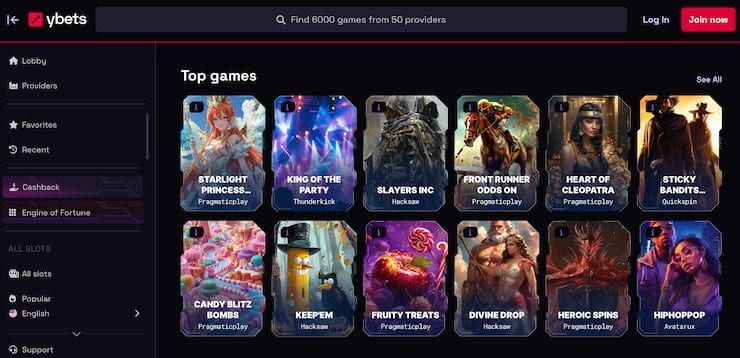
Understanding KYC Requirements in Online Gambling

The term KYC stands for “Know Your Customer,” a process used by online casinos and gambling platforms to verify the identity of their players. This process often requires players to submit personal details, including government-issued identification, proof of address, and sometimes even additional documentation. While the rationale behind KYC is to prevent fraud, money laundering, and underage gambling, many players find these requirements intrusive and cumbersome.

The Case for Casinos Without KYC

Laws and regulations surrounding online gambling vary significantly between countries, and not all jurisdictions impose strict KYC requirements. Casinos without KYC are appealing to many players who wish to maintain their privacy and avoid the hassle of submitting personal information. These platforms often operate under the principle of anonymity, allowing users to deposit and withdraw funds without the need for extensive verification processes.

Benefits of No KYC Casinos

Choosing to play at a casino without KYC can offer several advantages:

  • Privacy: Players can enjoy their gaming experience without exposing sensitive personal information.
  • Convenience: The registration process is often quicker, allowing players to start gaming almost immediately.
  • Accessibility: Users from regions with strict gambling laws may find it easier to access these casinos.
  • Flexible Payment Options: Many no KYC casinos accept cryptocurrencies and other payment methods that do not require personal verification.

How to Choose a No KYC Casino

While no KYC casinos offer many benefits, players should still exercise caution when selecting a platform. Here are some tips for choosing a reputable no ID verification casino:

  1. Research the Casino: Check reviews and ratings from other players to ensure that the casino has a good reputation.
  2. Look for Licensing Information: A legitimate casino should have proper licensing from recognized authorities.
  3. Check Game Variety: A good no KYC casino will offer a wide range of games, including slots, table games, and live dealer options.
  4. Examine Payment Options: Ensure that the casino provides secure and convenient payment methods that suit your preferences.
  5. Test Customer Support: Reliable customer service is essential. Consider reaching out to their support team with questions to gauge their responsiveness.

Popular Payment Methods at No KYC Casinos

One of the major draws of no KYC casinos is the range of payment methods available. These casinos often accept various types of payments, particularly those that offer anonymity:

  • Cryptocurrencies: Bitcoin, Ethereum, and other cryptocurrencies are commonly accepted, providing a high level of anonymity.
  • Prepaid Cards: Players can use prepaid cards to make deposits without linking them to personal accounts.
  • Digital Wallets: Services like Skrill and Neteller allow players to fund their casino accounts without revealing personal information.
  • PayPal: Although usage may vary, some no KYC casinos still accept PayPal, giving you another option for quick deposits.

Responsible Gambling Practices

Even in an environment that prioritizes anonymity and ease of access, responsible gambling remains crucial. Here are some practices players should adopt:

  • Set a Budget: Determine how much you are willing to spend and stick to that limit.
  • Time Management: Allocate a specific amount of time for gaming sessions to avoid excessive play.
  • Avoid Chasing Losses: It’s essential not to gamble more in an attempt to recover lost funds.
  • Seek Help if Needed: If you feel your gambling habits are becoming problematic, do not hesitate to reach out for assistance.

Conclusion

Casinos without KYC requirements represent an accessible and convenient way for players to indulge in online gambling without the hassles associated with identity verification processes. However, it is vital to remain informed and vigilant when choosing a no KYC casino to ensure a safe and enjoyable gaming experience. By considering the pros and cons and implementing responsible gambling practices, players can navigate this unique sector of online casinos successfully.